
Vertical inline pumps do not always require a drain pan by design, but installation location, building codes, and the consequences of seal leepage often make one necessary. Indoor installations above occupied spaces, electrical equipment, or finished floors typically need containment. Outdoor or mechanical room installations may not require a pan if drainage and access allow direct floor cleanup, but a pan still simplifies maintenance and protects surrounding equipment.
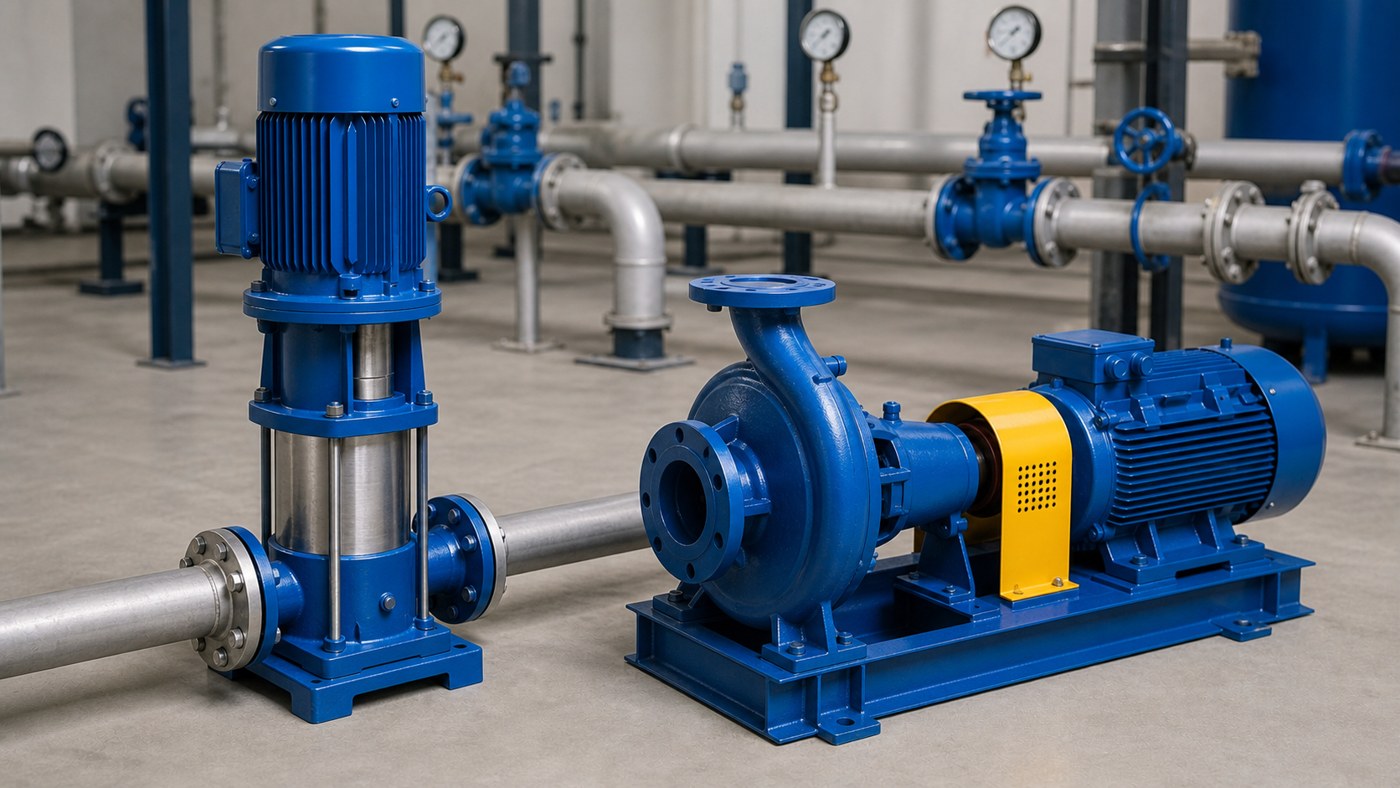
The decision depends on where the pump sits, what happens if it leaks, and what your local code enforces. A drain pan is inexpensive insurance when the cost of water damage, downtime, or code violation exceeds the pan and piping investment.
Key Takeaways
- Indoor pumps above occupied space, electronics, or finished areas usually need drain pans per building code or facility policy.
- Mechanical seal weepage is normal during break-in and minor wear—a drain pan captures this without triggering false alarms.
- Pan sizing should handle catastrophic seal failure flow, not just weepage, especially for fire or HVAC duty pumps that may run unattended.
- Route pan drains to visible locations or monitoring points so leaks are detected before they become failures.
- Outdoor or concrete pad installations may skip the pan if drainage slope and equipment separation allow safe runoff.
When a Drain Pan Is Required by Code or Standard
Building codes and mechanical standards often mandate secondary containment for pumps in specific locations. HVAC pumps installed in ceiling spaces, above data rooms, or near electrical panels typically require pans per local plumbing or mechanical code. The International Mechanical Code and NFPA standards address this for fire pumps and HVAC equipment, though enforcement varies by jurisdiction.
Fire pump rooms may have floor drains that serve the same function as individual pans, but inline jockey pumps or booster pumps mounted on elevated platforms often need dedicated pans. Check the approved installation drawings and local inspector requirements before finalizing the installation design.
Even when code does not mandate a pan, facility insurance policies or corporate engineering standards may require them for risk management. A pump leak in a hospital, data center, or pharmaceutical plant can trigger expensive shutdowns or contamination events that far exceed the cost of proper containment.
Mechanical Seal Behavior and Expected Leakage
Vertical inline pumps use mechanical seals that allow minor weepage during initial run-in and as faces wear over time. New seals may weep a few drops per minute for the first hours of operation as the lapped faces mate and the seal settles. This is normal and does not indicate failure.
Over the seal’s service life, slight weepage may return as face wear progresses. A properly maintained seal in clean water service may show no visible leakage for years, but seals handling dirty water, suspended solids, or high-temperature liquids will weep sooner. A drain pan catches this weepage and routes it to a visible drain or sensor, allowing maintenance teams to plan seal replacement before catastrophic failure.
Catastrophic seal failure—caused by dry running, cavitation, solids intrusion, or bearing failure—can release gallons per minute. A drain pan sized only for weepage will overflow quickly. Properly sized pans account for full seal failure flow until the pump is shut down, either manually or by leak detection controls.
Drain Pan Sizing and Drain Connection
Pan sizing should accommodate the pump’s maximum flow rate for at least 5 to 15 minutes, assuming manual or automatic shutdown response time. For a 100 GPM inline pump, that means 500 to 1500 gallons of temporary storage or a drain connection capable of handling the inflow rate.
Most pans rely on gravity drain connections to floor drains or sump pumps rather than storing the full failure volume. The pan acts as a funnel and early detection point, not a holding tank. The drain line should be at least 1.5 inches in diameter, pitched continuously, and routed to a visible termination point where maintenance staff will notice flow.
Avoid routing pan drains into closed systems or sanitary lines without backflow protection. A clogged drain can turn the pan into a reservoir that overflows anyway. Open-sight drains that terminate into a funnel or floor drain in the mechanical room give immediate visual confirmation when something is wrong.
Installation Scenarios That Need Drain Pans
The following installations should include drain pans unless site-specific conditions eliminate the risk:
- HVAC pumps in ceiling or attic spaces: Leaks drip onto finished ceilings, insulation, or ductwork. A pan with drain routed to a visible location protects the building and triggers early maintenance.
- Pumps above electrical rooms or data centers: Water and electronics do not mix. A pan is usually a code requirement and an insurance condition.
- Inline pumps on elevated platforms or mezzanines: Leaks fall onto equipment, walkways, or process areas below. The pan keeps the leak contained to the pump platform.
- Fire pump jockey pumps in occupied buildings: These pumps run frequently and unattended. A pan with drain and leak detection ensures seal wear does not go unnoticed.
- Pumps in clean rooms or food processing areas: Even clean water can violate hygiene standards if it pools on floors. A pan maintains sanitation and compliance.
When a Drain Pan May Not Be Necessary
Some installations handle leaks adequately without a dedicated pan:
- Outdoor pumps on concrete pads with drainage slope: If the pad drains away from buildings and equipment, and runoff does not violate environmental permits, the pad itself may serve as the containment surface.
- Mechanical rooms with floor drains and open equipment spacing: A pump mounted on a concrete floor with nearby drains may not need a pan if surrounding equipment is protected and the floor is designed for wet service.
- Temporary or portable pumps: Construction dewatering or short-term bypass pumps may skip pans if the installation is monitored and the site tolerates minor spillage.
Even in these cases, a simple sheet metal or plastic pan is cheap compared to the labor cost of cleaning up a seal failure. The pan decision should weigh the cost of the pan against the cost of the mess, not just the code minimum.
Drain Pan Materials and Installation Details
Drain pans are typically galvanized steel, stainless steel, or molded plastic. Galvanized steel is the most common for indoor HVAC and building service pumps. Stainless steel is used where corrosion or hygiene standards require it. Plastic pans work for light-duty or residential applications but may not meet commercial fire ratings.
The pan should extend at least 2 inches beyond the pump base on all sides and have a minimum 2-inch lip height. The drain connection should be at the lowest point, and the pan should slope toward the drain. Prefabricated pans are available for common pump base sizes, or custom pans can be fabricated from sheet metal for unusual installations.
Secure the pan to the mounting surface so it does not shift during maintenance. Do not use the pan as a structural support for the pump—the pump should sit on its own base or mounting frame, with the pan positioned underneath as a catch basin.
Leak Detection and Monitoring
A drain pan is most useful when paired with leak detection. Simple visual drains let staff see flow during inspections. Electronic leak sensors in the pan or drain line can trigger alarms or automatic shutdowns before a small leak becomes a large problem.
For critical or unattended pumps, integrate the leak sensor into the building management system or pump control panel. A high-water alarm in the pan drain can stop the pump and notify maintenance before overflow or equipment damage occurs.
Leak detection adds cost but prevents the scenario where a seal fails on Friday night and runs all weekend, flooding the space and damaging surrounding equipment. The payback comes the first time it saves a cleanup or prevents a shutdown.
FAQs
Does every vertical inline pump need a drain pan?
No, but most indoor installations benefit from one. Outdoor or concrete pad installations with adequate drainage and equipment separation may not require a pan. Check local code and evaluate the consequences of a leak before deciding to skip it.
Can I use a standard HVAC drain pan for a pump?
Only if the pan is large enough and the drain connection can handle the flow. HVAC condensate pans are designed for slow drip rates, not pump seal failure flows. Verify the pan and drain sizing match the pump’s potential leak rate.
What happens if the drain pan overflows?
The same thing that would happen without a pan, but you bought some time. An overflowing pan means the leak exceeded the drain capacity or the drain clogged. The pan should have caught enough leakage to trigger a response before overflow, assuming proper sizing and monitoring.
Should the pan drain connect to the building floor drain?
Yes, if the floor drain is nearby and has capacity. Route the pan drain to a visible termination point so maintenance staff can see flow. Avoid hidden drain connections where leaks go unnoticed until they cause damage downstream.
Do fire pumps need drain pans?
Main fire pumps usually sit in dedicated rooms with floor drains that serve the same containment function. Inline jockey pumps or booster pumps mounted above the main pump may need individual pans, especially if they are elevated or located outside the fire pump room.
Can I retrofit a drain pan under an existing pump?
Yes, but it requires lifting the pump or removing it temporarily. If the pump is grouted or bolted to a base, retrofitting a pan may require base modification. Plan the work during a scheduled shutdown and verify that the new pan does not interfere with piping or maintenance access.
Conclusion
Vertical inline pumps do not inherently require drain pans, but installation location, code requirements, and the cost of leakage usually make them necessary. Indoor pumps, elevated installations, and pumps near sensitive equipment should include pans as standard practice. Size the pan and drain connection for seal failure flow, not just weepage, and route the drain to a visible or monitored location. The small upfront investment in a drain pan and proper drainage prevents expensive water damage, downtime, and code violations when seals eventually wear or fail.