Key Takeaways
- Standard vertical inline pumps in clean water service require quarterly bearing and seal inspection, with full service every 12 to 18 months depending on run hours and duty cycle.
- High-duty applications—continuous operation, abrasive liquids, or temperatures above 180°F—need monthly inspection and service intervals shortened to 6 to 12 months.
- Condition monitoring between services catches problems early: track vibration, bearing temperature, seal leakage, pressure differential, and motor amperage at the same operating point.
- Fire pumps, sewage pumps, and process-critical installations follow different schedules driven by code requirements, consequence of failure, and liquid condition rather than run time alone.
- Service frequency is a starting point; adjust based on trend data, not just calendar dates.
Most vertical inline pumps in commercial HVAC or light industrial service need a full inspection every 12 to 18 months and quarterly field checks between services. That interval assumes clean water, moderate duty cycle, proper installation, and stable operating conditions. Pumps running continuously, handling abrasive or hot liquids, or installed in harsh environments need more frequent attention—often every 6 to 12 months with monthly monitoring. The real answer depends on operating hours, liquid condition, system design, and how quickly problems develop in your specific application.
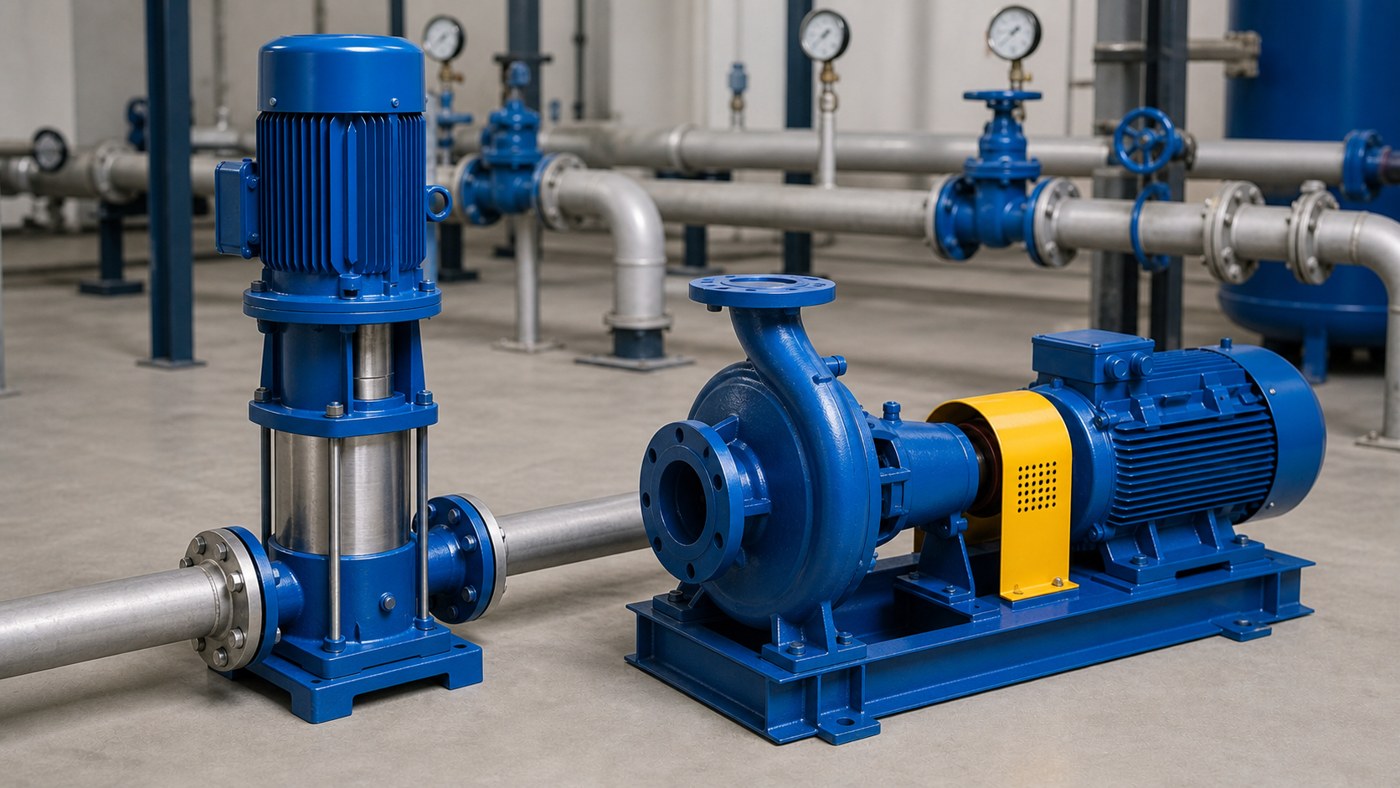
A maintenance schedule should create useful data, not just tick boxes. Recording the same measurements at the same operating condition lets you spot trends before a bearing seizes or a seal fails catastrophically. The goal is planned service, not emergency shutdowns.
What Drives Service Frequency
Three factors determine how often a vertical inline pump needs service: operating hours, liquid condition, and system stress. A pump running 8 hours a day in clean water at steady flow ages differently than one cycling on and off every few minutes or handling suspended solids.
Operating hours matter more than calendar time. A pump running 24/7 accumulates wear faster than one operating a few hours per day, even if both are checked on the same annual schedule. Track total run hours if the motor or controller records them. Many pumps reach bearing or seal service limits around 8,000 to 10,000 hours in clean water duty.
Liquid condition changes everything. Abrasive particles accelerate wear on seals, bearings, and internal surfaces. Hot liquids above 180°F degrade lubricants and elastomers faster. Liquids with solids, fibers, or chemical additives require shorter intervals and different inspection focus.
System stress includes installation quality, pipe strain, suction conditions, control logic, and how far the pump operates from its best efficiency point. A pump fighting cavitation, pipe vibration, or frequent starts wears out faster than one running smoothly at design conditions.
Recommended Inspection and Service Intervals
Use these intervals as a baseline, then adjust based on your trend data and operating environment. The table separates routine field checks from full service actions.
| Frequency | Inspection or service action | Application |
|---|---|---|
| Weekly | Visual check for leaks, unusual noise, vibration | Critical or continuous duty |
| Monthly | Record bearing temperature, seal condition, suction and discharge pressure, motor amperage | High-duty, abrasive, or hot liquid service |
| Quarterly | Full measurement set, compare to baseline, check motor and coupling alignment | Standard clean water, moderate duty |
| Every 6 to 12 months | Bearing replacement or regreasing, seal inspection or replacement, wear ring check | Continuous operation, abrasive service, high temperature |
| Every 12 to 18 months | Full disassembly, bearing and seal replacement, internal inspection, alignment verification | Clean water, moderate hours, stable conditions |
| Annually | Motor insulation test, control and protection device test, coupling inspection | All vertical inline pumps |
Fire pumps follow NFPA 25 requirements: weekly visual inspection, monthly no-flow test, annual flow test, and internal inspection every three to five years depending on type and authority having jurisdiction. Do not use generic service intervals for fire pumps.
Field Monitoring Between Full Services
Condition-based monitoring catches problems before they force downtime. Record these measurements at the same flow and pressure condition each time so changes mean something. A bearing that runs 10°F hotter than last month under the same load deserves attention even if the absolute temperature is still within limits.
Bearing temperature: Use an infrared thermometer or touch the bearing housing in the same spot each time. A sudden increase or a gradual rise over several checks signals inadequate lubrication, misalignment, or bearing damage. The absolute limit depends on the bearing type, but any unexplained upward trend is a warning.
Seal leakage: Many mechanical seals allow a controlled weep or drip. That is normal if the rate stays constant. An increase after a system change—pressure adjustment, valve repositioning, or pump speed change—may indicate seal face wear, secondary seal damage, or shaft movement. Document whether the area stays dry, shows occasional drips, or develops steady leakage.
Suction and discharge pressure: Measure both together and calculate differential pressure. A falling differential at the same speed means internal wear, impeller damage, or recirculation. Rising suction pressure or falling discharge pressure under constant demand suggests system changes, not pump problems. Trend both numbers separately.
Motor amperage: Compare running amps to the nameplate full-load value and your baseline measurements. Overload can mean high flow, high head, wrong rotation, or mechanical binding. Dropping amps with falling pressure suggests worn impeller or internal bypass. Phase imbalance above 2% signals electrical problems that damage the motor over time.
Vibration and noise: A trained ear catches changes, but a handheld vibration meter gives numbers you can compare. Sudden increases point to bearing wear, misalignment, loose mounting, or cavitation. Pumps do not suddenly get louder without cause.
Adjusting Frequency for Specific Applications
Some vertical inline pump installations need shorter or longer intervals than the standard schedule. Adjust based on consequence of failure, liquid aggressiveness, and actual operating data.
Continuous operation: Pumps running 24/7 reach service limits faster. Shorten inspection intervals to monthly and full service to every 6 to 12 months. The shorter interval lets you catch bearing or seal degradation before it becomes catastrophic.
Intermittent or standby duty: Pumps that run only a few hours per week can extend service intervals to 18 to 24 months if trend data supports it. Fire pumps, emergency backup pumps, and seasonal irrigation pumps still need regular testing even with low run hours to ensure readiness.
Abrasive or suspended solids: Sewage, slurry, or process water with solids wears seals and internal clearances faster. Inspect monthly and plan for seal and wear ring replacement every 6 to 12 months even in moderate-duty applications.
High temperature: Hot water above 180°F degrades bearing grease and seal elastomers. Regreasing intervals drop from annual to every 6 months, and seal life shortens. Some high-temperature seals need quarterly inspection.
Corrosive or chemically aggressive liquids: Industrial process pumps handling acids, bases, or solvents need material compatibility verification first, then shorter inspection and service intervals based on the specific liquid and concentration.
What to Document Before and During Service
A service event should build the history file that makes future decisions easier. Before service, record current performance data so the post-service check confirms improvement. After service, document what was replaced, what measurements changed, and what the rebuilt pump should deliver.
Before disassembly, measure and record suction pressure, discharge pressure, flow if available, motor amperage, bearing temperature, seal condition, and any unusual noise or vibration. Take photos of the installation, coupling, mounting, and piping. If the pump is failing, document the symptom clearly—loss of pressure, excessive leakage, high vibration, overheating, or noise.
During service, inspect and record the condition of bearings, seals, wear rings, impeller, shaft, O-rings, and gaskets. Note any damage, wear patterns, corrosion, or deposits. Measure internal clearances if specifications are available. This data explains why the pump failed and whether the service interval was too long.
After reassembly, verify alignment, check rotation direction, confirm coupling condition, and test seal installation. Run the pump and record the same measurements taken before service. Pressure, flow, amperage, temperature, and vibration should return to baseline or better. If they do not, investigate before returning the pump to service.
Common Service Interval Mistakes
Treating all pumps the same is the most common error. A fire pump, a chilled water pump, and a sewage pump all have different failure consequences, operating conditions, and regulatory requirements. The service schedule must match the application.
Ignoring trend data in favor of rigid calendar intervals wastes resources. A pump showing stable readings at 18 months may not need service yet, while one with rising bearing temperature at 8 months needs attention before the scheduled date. The interval is a guideline, not a rule.
Skipping field checks between services eliminates early warning. Many bearing failures and seal leaks give weeks of advance notice through rising temperature or increasing leakage. Monthly or quarterly monitoring catches these changes.
Replacing parts without diagnosing the cause guarantees repeat failure. A worn seal or bearing is a symptom, not a root cause. Misalignment, cavitation, pipe strain, wrong operating point, or contaminated lubricant must be corrected or the new parts will fail just as fast.
Extending intervals without data to support the change is risky. If the pump history shows stable operation and low wear, longer intervals may be justified. Without that history, stick to standard intervals until you build confidence in the installation.
FAQs
Can I extend service intervals if the pump looks fine during quarterly checks?
Yes, if you have documented trend data showing stable bearing temperature, seal condition, pressure, and amperage over multiple cycles. Extend cautiously—add three to six months, then reassess. Do not skip inspections just because you extended the service interval.
What if I don’t know the pump’s total operating hours?
Start tracking now with a run-time meter or estimate based on the operating schedule. Use calendar intervals as a fallback—12 months for standard duty, 6 months for continuous or harsh service. Add a monthly field check to catch problems between services.
Do all vertical inline pumps use the same service interval?
No. Fire pumps follow NFPA 25. Sewage and solids-handling pumps need more frequent seal and wear part inspection. Process pumps in corrosive or high-temperature service need shorter intervals. Clean water HVAC pumps in light duty can run longer between services.
Should I service the pump early if I hear unusual noise?
Yes. New noise, vibration, or leakage means something changed. Investigate immediately—check alignment, bearing condition, seal area, suction conditions, and operating point. Continuing to run a damaged pump often turns a minor repair into a major failure.
What service records should I keep?
Maintain a log with date, operating hours, measurements (pressure, amperage, temperature, vibration), parts replaced, internal wear observations, and post-service performance. Include photos of wear patterns or damage. This history guides future service timing and helps diagnose recurring problems.
Can I service the pump myself or does it need a specialist?
Basic inspection, bearing regreasing, and external seal checking can be done in-house with training and proper tools. Internal seal replacement, wear ring service, and alignment correction usually require pump service experience. Major rebuilds or warranty work should go to qualified service providers.
Conclusion
Vertical inline pump service intervals start at 12 to 18 months for standard clean water duty, with quarterly field monitoring between services. Adjust that baseline for your operating hours, liquid condition, and system stress. Continuous operation, abrasive service, and high temperatures shorten the interval to 6 to 12 months. Fire, sewage, and process-critical pumps follow schedules driven by code requirements and consequence of failure. Build trend data through regular field checks so you catch bearing wear, seal degradation, and performance loss before forced downtime. A service schedule based on condition and operating hours will always outperform one based only on calendar dates.