Key Takeaways
- Always verify the correct lubricant type, quantity, and interval from the pump nameplate, manufacturer’s manual, or bearing identification tag before beginning any lubrication procedure.
- Over-greasing causes more bearing failures than under-greasing; follow manufacturer specifications precisely and never assume “more is better.”
- Proper preparation includes confirming the pump is de-energized, isolating it from the system when necessary, and ensuring safe access to all lubrication points.
- Document every lubrication event with date, lubricant used, quantity applied, and any observations about bearing condition or unusual symptoms.
- Establish a site-specific maintenance schedule based on manufacturer recommendations, operating hours, environmental conditions, and bearing performance history.
Understanding Taco KV Vertical Inline Pump Lubrication Requirements
Proper lubrication of a Taco KV vertical inline pump protects the bearing system, ensures reliable operation, and extends equipment service life. Unlike horizontal pumps where gravity assists lubricant distribution, vertical inline pumps present unique challenges because the motor and bearing assembly operate in a vertical orientation. This position affects how grease flows, settles, and provides protection to bearing surfaces.
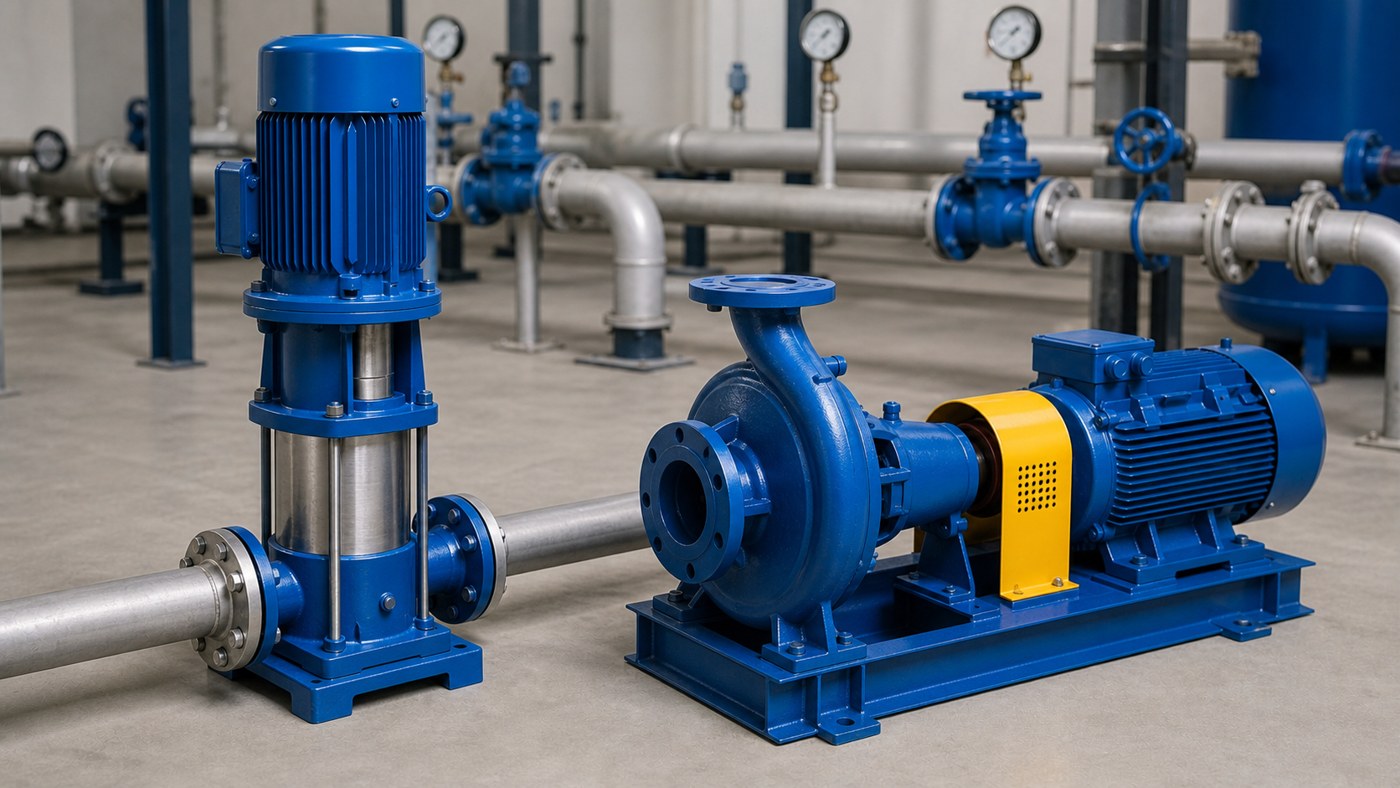
The critical first step before any lubrication work is to locate and verify the manufacturer’s specifications. Taco pumps, manufactured by the Taco Comfort Solutions division of Bell & Gossett, include specific lubrication instructions on the pump nameplate, in the installation and operation manual, and often on tags attached directly to the motor or bearing housing. These sources provide the authoritative information about lubricant type, quantity, and maintenance interval that must govern your maintenance procedure.
Never assume that all Taco KV models use identical lubrication specifications. Variations in motor size, bearing type, operating speed, and design generation mean that one pump may require a different lubricant or schedule than another. Similarly, do not transfer lubrication practices from other pump brands or models without verification, even if the physical appearance seems similar.
Pre-Lubrication Verification and Preparation
Locating Manufacturer Specifications
Before gathering tools or lubricant, collect the documentation that controls your lubrication procedure. Check these sources in order of priority:
- Pump nameplate mounted on the motor or volute housing, which often includes model number, serial number, and bearing lubrication information
- Installation, operation, and maintenance manual provided with the pump or available from Taco technical support
- Bearing identification tags or stamps on the motor housing that specify bearing model numbers
- Site maintenance logs or equipment history records showing previous lubrication specifications and intervals
- Manufacturer technical support if documentation is missing or unclear
Record the specific lubricant specification. This typically includes NLGI grade (commonly NLGI Grade 2 for general-purpose applications), base oil type (mineral or synthetic), thickener chemistry (lithium, lithium complex, polyurea), and any special properties such as water resistance, high-temperature capability, or EP (extreme pressure) additives. Do not substitute lubricants without confirming compatibility, as mixing incompatible greases can cause separation, loss of lubrication properties, and accelerated bearing wear.
Safety Preparation
Prepare the pump and work area for safe lubrication access. For most Taco KV vertical inline pumps, this involves:
- De-energizing the pump motor and applying lockout/tagout procedures according to facility safety protocols
- Verifying zero energy state with a voltage tester at the motor disconnect or starter
- Confirming that process isolation valves are closed if the pump will remain installed in the piping system during lubrication
- Ensuring stable access to lubrication fittings, which may be located on the motor top, side, or bearing housing depending on model configuration
- Having proper lighting and clean working conditions to avoid contaminating the lubrication system
Most routine lubrication can be performed with the pump installed and the motor at rest. However, if bearing condition inspection or other maintenance work is required, follow additional isolation and draining procedures as specified in the manufacturer’s manual.
Tools and Materials Checklist
Gather the following items before beginning lubrication:
- Grease gun (manual, battery-powered, or pneumatic) appropriate for the fitting type and access conditions
- Correct lubricant verified against manufacturer specifications, in sealed containers to prevent contamination
- Clean shop cloths or wipes for cleaning grease fittings and wiping excess lubricant
- Fitting cleaning brush or solvent spray to remove debris from grease fittings
- Lockout/tagout devices and voltage testing equipment
- Maintenance log or digital recording device for documenting the procedure
- Personal protective equipment including safety glasses and gloves
Lubrication Procedure for Vertical Inline Pumps
Identifying Lubrication Points
Taco KV vertical inline pumps typically have grease fittings on the motor bearing housing. The number and location of fittings depend on the motor size and bearing configuration. Small motors may have a single fitting serving both bearings through internal passages, while larger motors often have separate fittings for upper and lower bearings. Consult the pump documentation to identify the correct lubrication points for your specific model.
Inspect each grease fitting before connecting the grease gun. Clean away any accumulated dirt, old hardened grease, or corrosion that could be forced into the bearing during lubrication. A contaminated grease fitting can introduce abrasive particles that cause rapid bearing damage, defeating the purpose of the maintenance procedure.
Applying Lubricant
The key principle in bearing lubrication is that the correct quantity matters more than generous application. Over-greasing causes several problems in vertical inline pumps:
- Excessive grease generates internal friction and heat, raising bearing operating temperature
- Grease can be forced past seals into the motor winding cavity, contaminating electrical insulation
- Excess lubricant may reach the pump mechanical seal area, causing seal face contamination or leakage
- Increased internal pressure can damage seals and allow lubricant loss during operation
Follow the manufacturer’s specified quantity exactly. Specifications are typically given in ounces, grams, or number of grease gun strokes. If using strokes as a measure, note that one stroke delivers approximately 1 gram of grease from a standard manual grease gun, though this varies by gun design. When precise quantity is critical and manufacturer specifications are given by weight, dispense grease into a container on a scale rather than estimating by gun strokes.
Apply grease slowly and steadily. Rapid pumping can cause grease channeling, where lubricant flows around the bearing rather than through it, leaving portions of the bearing inadequately lubricated. Slow application allows grease to fill voids and displace old lubricant properly.
Watch for signs of proper lubrication:
- Increasing resistance at the grease gun as the bearing cavity fills
- Small amounts of old grease being displaced from relief ports or seals (if present)
- Grease gun pressure indicator showing normal bearing filling pressure (typically 1,000-2,000 psi for standard fittings)
Stop immediately if you observe these warning signs:
- Excessive pressure with no resistance change (indicating a blocked passage)
- Grease leaking from unexpected locations such as seal areas or motor internal passages
- Fitting or housing damage during application
Post-Lubrication Inspection
After applying the specified lubricant quantity, wipe away excess grease from fittings and external surfaces. Leaving excess grease exposed creates a collection point for dirt and contamination that can be drawn into the bearing during operation. Check that grease fittings are secure and undamaged.
If the pump will be returned to service immediately, run it briefly and observe bearing temperature, vibration, and noise. Some temporary increase in operating temperature is normal as excess grease redistributes and friction stabilizes, but temperature should return to normal within 30 minutes to several hours depending on pump size and operating speed. Excessive temperature, unusual noise, or vibration indicates a lubrication problem requiring investigation before continued operation.
Establishing the Correct Lubrication Interval
Manufacturer recommendations provide the baseline lubrication interval, typically expressed in operating hours or calendar months. However, site-specific conditions may require adjustment to this baseline schedule. Factors that shorten the recommended interval include:
- High ambient temperature or heat sources near the pump installation
- Dusty, dirty, or corrosive environments that accelerate lubricant degradation
- High humidity or water spray conditions that can cause grease washout or contamination
- Continuous operation at or above rated speed with minimal downtime
- Vibration from nearby equipment or piping strain affecting bearing loads
Factors that may allow extended intervals include:
- Clean, climate-controlled indoor installations
- Intermittent duty cycles with significant rest periods
- Operation at reduced speed or load compared to rated conditions
- Use of premium synthetic or long-life lubricants when specified by the manufacturer
Monitor bearing performance over several lubrication cycles to validate your interval. If bearings show signs of lubricant breakdown, contamination, or inadequate film thickness when inspected or replaced, the interval may be too long. Conversely, if fresh grease remains abundant and clean, the interval may be unnecessarily short, though this is less harmful than under-lubrication.
Common Lubrication Mistakes and Warning Signs
Over-Greasing
The most common error in vertical inline pump lubrication is applying too much grease, often from the mistaken belief that extra lubrication provides extra protection. Signs of over-greasing include:
- Elevated bearing temperature that persists beyond the initial run-in period after lubrication
- Grease leaking from motor seals or appearing in areas where it should not be present
- Mechanical seal leakage or contamination from grease reaching the seal chamber
- Motor overheating from grease contamination of internal windings
If over-greasing is suspected, the bearing housing may need to be disassembled to remove excess lubricant. This is particularly important in vertical configurations where grease can migrate downward under gravity and accumulate in seal areas or motor cavities.
Wrong Lubricant Type
Using an incompatible lubricant causes rapid bearing damage through several mechanisms. Mixing incompatible greases (for example, lithium and polyurea thickeners) can cause chemical reactions that destroy the grease structure, leading to separation, hardening, or complete loss of lubricating properties. Signs of lubricant incompatibility include:
- Unusual bearing noise or roughness shortly after lubrication
- Rapid temperature increase
- Grease discoloration, separation, or unusual consistency when inspected
- Accelerated bearing wear or failure compared to normal service life
If the wrong lubricant has been applied, the bearing system should be thoroughly cleaned and refilled with the correct grease according to manufacturer procedures. In some cases, this requires bearing replacement if damage has already occurred.
Contaminated Lubricant
Grease contamination from dirt, water, or chemical exposure accelerates bearing wear. Prevention focuses on storage and handling practices:
- Store grease containers sealed and in clean, dry conditions
- Use dedicated grease guns for specific lubricant types to avoid cross-contamination
- Clean grease fittings thoroughly before connecting the grease gun
- Avoid exposing grease to airborne dust or moisture during application
- Replace grease that has been stored in opened containers for extended periods
Documentation and Maintenance Records
Systematic documentation transforms routine lubrication from a task into a predictive maintenance tool. Each lubrication event should be recorded with sufficient detail to support performance tracking and failure analysis. Useful records include:
| Information Category | Specific Data to Record | Purpose |
|---|---|---|
| Date and Time | Calendar date and time of day when lubrication was performed | Calculate actual operating hours between services, track interval compliance |
| Lubricant Details | Brand, product name, NLGI grade, lot or batch number | Confirm correct product was used, support quality control if problems arise |
| Quantity Applied | Weight, volume, or number of grease gun strokes for each lubrication point | Verify specification compliance, identify over-greasing or under-greasing trends |
| Technician | Name or ID of person performing the work | Support training needs, track technician performance |
| Observations | Bearing temperature, noise, vibration, visible wear, grease condition, unusual findings | Detect developing problems before failure, validate lubrication interval |
| Operating Hours | Pump runtime meter reading or calculated hours since last service | Transition from calendar-based to condition-based maintenance |
Digital maintenance management systems, equipment-specific logbooks, or simple spreadsheets all serve this purpose effectively. The key is consistency in recording and accessibility when troubleshooting or planning maintenance.
When to Seek Technical Support
Some lubrication situations require manufacturer assistance or specialized expertise:
- Missing or unclear documentation about lubricant specifications or procedures
- Repeated bearing failures despite following documented lubrication practices
- Unusual pump configurations or modified installations not covered by standard documentation
- Need to substitute lubricants due to supply issues or operational requirement changes
- Bearing damage or wear patterns that suggest lubrication-related problems
Taco technical support can provide model-specific guidance, clarify documentation questions, and help diagnose lubrication-related performance issues. When contacting support, have the pump nameplate information, operating history, and maintenance records available to facilitate accurate assistance.
Frequently Asked Questions
How often should I lubricate a Taco KV vertical inline pump?
Lubrication frequency must be determined from the manufacturer’s documentation for your specific model, as intervals vary based on motor size, bearing type, and operating conditions. Typical intervals range from quarterly to annually for standard installations, but your pump’s nameplate or manual provides the authoritative schedule. Site conditions such as temperature, cleanliness, and duty cycle may require adjustment to the manufacturer’s baseline recommendation.
Can I use any NLGI Grade 2 grease for my Taco pump?
No. While NLGI grade indicates consistency, greases with the same grade may have different base oils, thickeners, and additives that affect compatibility and performance. Use only the grease type specified in your pump documentation. Substituting without verification can cause grease incompatibility, loss of lubrication, and bearing damage. If you must substitute, contact Taco technical support for approved alternatives.
What happens if I apply too much grease?
Over-greasing causes increased bearing friction and temperature, can force grease past seals into the motor or seal chamber, and may damage seals through excessive pressure. In vertical inline pumps, excess grease can migrate downward and contaminate the mechanical seal or motor windings. Always follow the manufacturer’s specified quantity precisely.
How do I know if bearings need lubrication before the scheduled interval?
Monitor bearing temperature, noise, and vibration during normal operation. Gradually increasing temperature, unusual sounds, or changes in vibration patterns may indicate insufficient lubrication, though these symptoms can also result from other problems such as misalignment, imbalance, or bearing wear. If abnormal symptoms appear between scheduled lubrications, inspect the pump and consult maintenance records before deciding whether early lubrication is appropriate.
Should I lubricate while the pump is running or stopped?
Most Taco KV pumps should be lubricated with the motor stopped and de-energized for safety and proper grease distribution. Some specialized equipment designs allow running lubrication, but this requires specific manufacturer instructions and appropriate safety procedures. Unless your documentation explicitly permits running lubrication, always de-energize the pump and apply lockout/tagout before servicing.
What should I do if I cannot find lubrication specifications for my pump?
Contact Taco technical support with your pump model number, serial number, and motor nameplate information. Do not proceed with lubrication using assumed specifications, as incorrect lubricant type or quantity can cause bearing damage. If immediate lubrication is required and documentation cannot be obtained, a qualified bearing specialist or pump service technician can often identify bearing types and recommend appropriate lubricants, though manufacturer specifications should still be confirmed when available.
Conclusion
Proper lubrication of Taco KV vertical inline pumps requires attention to manufacturer specifications, careful preparation, precise application technique, and systematic documentation. The vertical orientation of these pumps creates specific challenges in lubricant distribution and retention that make adherence to correct procedures particularly important. Over-greasing causes more bearing problems than under-greasing, making quantity control a critical element of successful maintenance.
Begin every lubrication procedure by verifying specifications from authoritative sources: the pump nameplate, manufacturer’s manual, bearing identification tags, or site maintenance records. Prepare the work area safely, apply the specified lubricant quantity slowly and carefully, and document the procedure thoroughly to support performance tracking and interval optimization. Watch for warning signs of lubrication problems including elevated temperature, unusual noise, vibration changes, or grease appearing in unexpected locations.
When documentation is unclear, conditions are unusual, or problems persist despite following proper procedures, seek technical support rather than proceeding with assumptions. A well-maintained lubrication program based on verified specifications and consistent execution protects bearing life, ensures reliable pump operation, and provides the foundation for transitioning from reactive to predictive maintenance strategies.